Estonia container waste heat power generation
Welcome to our dedicated page for Estonia container waste heat power generation! Here, we have carefully selected a range of videos and relevant information about Estonia container waste heat power generation, tailored to meet your interests and needs. Our services include high-quality Estonia container waste heat power generation-related products and solutions, designed to serve a global audience across diverse regions.
We proudly serve a global community of customers, with a strong presence in over 20 countries worldwide—including but not limited to the United States, Canada, Mexico, Brazil, the United Kingdom, France, Germany, Italy, Spain, the Netherlands, Australia, India, Japan, South Korea, China, Russia, South Africa, Egypt, Turkey, and Saudi Arabia.
Wherever you are, we're here to provide you with reliable content and services related to Estonia container waste heat power generation, including cutting-edge solar energy storage systems, advanced lithium-ion batteries, and tailored solar-plus-storage solutions for a variety of industries. Whether you're looking for large-scale industrial solar storage or residential energy solutions, we have a solution for every need. Explore and discover what we have to offer!
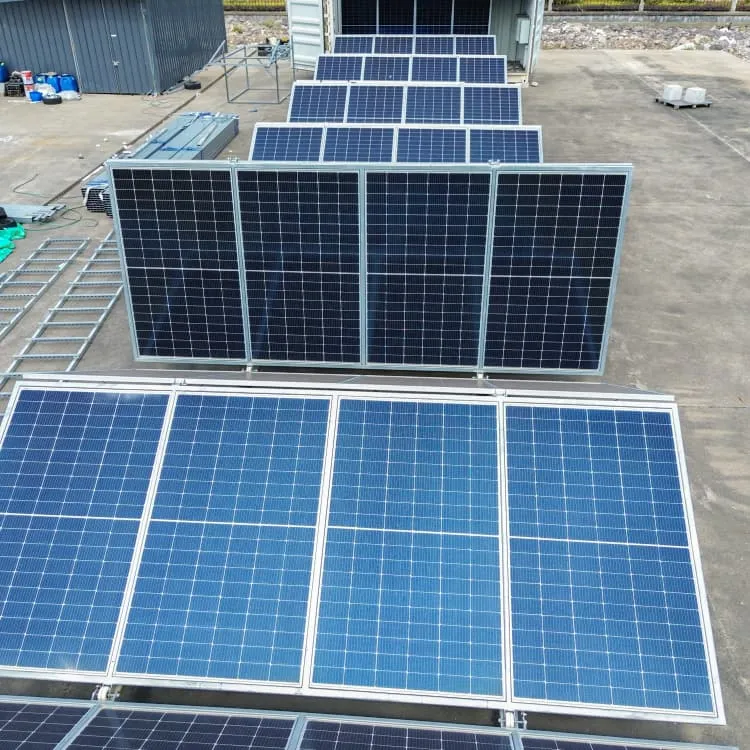
Estonia Distributed Power Technologies-Haiqi Biomass Gasifier
The innovative design of the combustion system provides greater flexibility of the Stirling power generation system, which can realize the use of a variety of fuels including biomass gas and
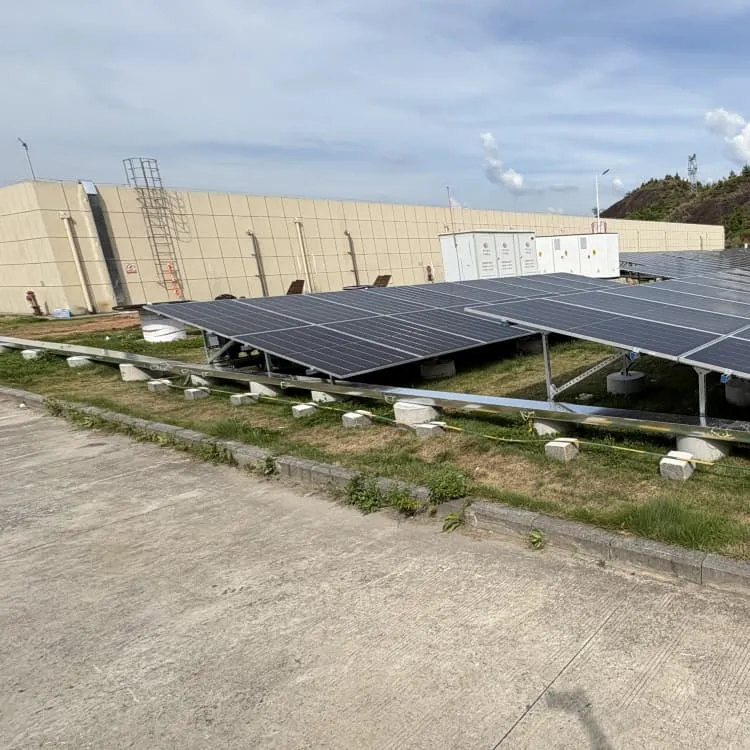
Development of a waste heat recovery power generation system
In this study we use thermoelectric effect technology to design and build a thermoelectric power generation system to recover the heat generated by combustion gases to generate electricity.
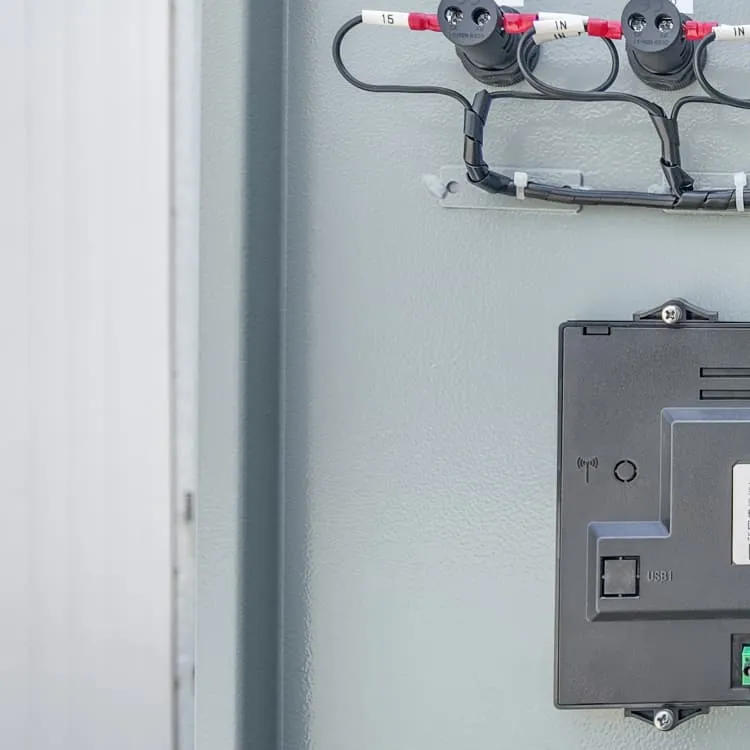
Fast energy transition and potential challenges in the Baltics
"As for the district heating sector, already more than half of the heat is produced from biomass or waste in Lithuania and Latvia. In Estonia, however, about a third of the heat is
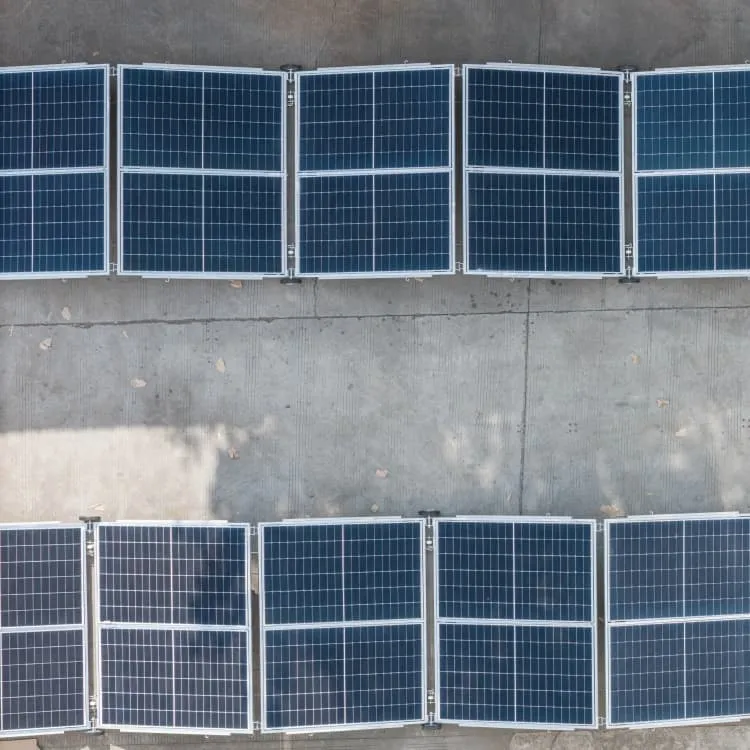
From Waste to Energy: How Estonia''s Incinerator Is Changing
By producing electricity and heat from waste, Estonia is able to decrease its dependence on imported energy sources, such as coal and natural gas. This contributes to the country''s
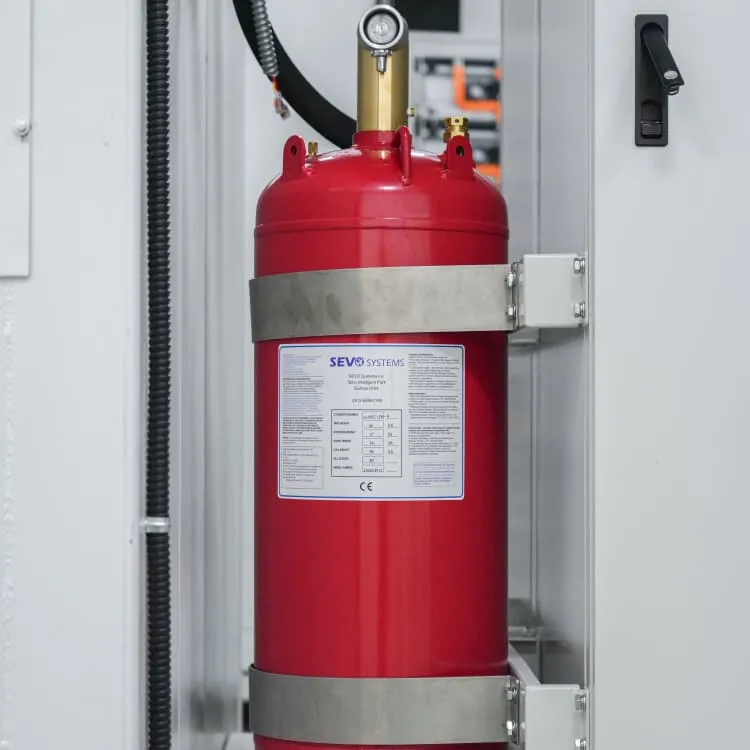
Circular Economy with Focus on Waste, Renewable Energy
Estonia has transformed its treatment of municipal solid waste (MSW), changing from a reliance on landfilling – which accounted for almost 80% of MSW treatment in 2010 – to a high level of
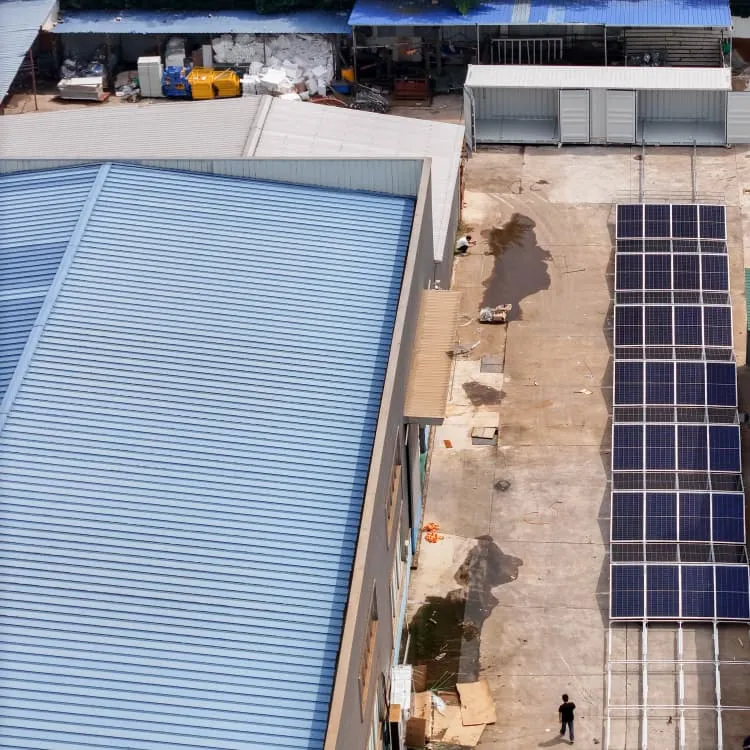
Transitioning to a carbon neutral heating and cooling in
scenarios, waste heat is to be utilized with in the DH networks by 2050. The utilisation of the waste heat in DH networks depends on the following points: location where suitability for
FAQs 6
How has Estonia transformed its treatment of municipal solid waste?
Estonia has transformed its treatment of municipal solid waste (MSW), changing from a reliance on landfilling – which accounted for almost 80% of MSW treatment in 2010 – to a high level of energy recovery via waste incineration.
What is the future of energy in Estonia?
Estonia’s National Development Plan of the Energy Sector Until 2030 forecasts an increase in the use of fuel wood, from the current levels, about 4.8 million m3, to 6.2 million m3, both from direct felling and from industry residues, to supply increased energy production from biomass.
What is Estonia's waste prevention programme?
The NWMP moreover contains Estonia’s Waste Prevention Programme, which sets the objective of decoupling economic growth and waste generation. The goal of a circular economy is to maintain the value of products, materials and resources in the economy for as long as possible and minimise the generation of waste.
Does Estonia have a 'pro' for packaging waste?
Estonia has four accredited PROs for packaging waste (each must establish a nation-wide collection system). One of the four is Estonia’s PRO covering the deposit and refund of beverage bottles and cans, which has been particularly effective (see the box below).
What are Estonia's waste prevention targets?
In its Waste Prevention Programme, Estonia sets two key targets to limit further increases in MSW: up to 2020, the growth in MSW generation should remain below half of growth in gross domestic product (GDP); and after 2020, there should not be any further growth in MSW generation.
How many waste streams does Estonia require EPR?
Estonia requires EPR for six waste streams: packaging waste, waste electronic and electrical equipment (WEEE), end-of-life vehicles, used tyres, and batteries and accumulators, and agricultural plastic. Producers have joined into producer responsibility organisations (PROs) for four of these waste streams (see Table 1 on the following page).
Random Links
- What size inverter should I use for a 12v 165ah battery
- Thailand energy storage battery module
- Prospects of home storage all-in-one machine
- Energy storage battery for Israel s Bulawayo communication base station
- Mauritania mobile power box manufacturer
- New solar panel manufacturers
- 5g base station electrical box installation process
- Outdoor Energy Storage Power Farm
- Liquid Flow Battery Cone Price
- Do global communication base stations consume a lot of power
- Mauritania s new energy storage scale enterprise
- Spanish 72v 5kw inverter
- Flywheel energy storage single unit capacity
- Bolivia portable energy storage box manufacturer
- Yaounde 500KW container energy storage
- Huawei Tanzania Solar Photovoltaic Panels
- Equipped with energy storage power station
- Photovoltaic battery cabinet sorting cabinet
- Battery inverter frequency
- Czech Simple Folding Photovoltaic Container Wholesale
- Photovoltaic panel solar integrated machine for home use
- Small communication mobile base station energy method
- Six hydropower energy storage projects in Swaziland
- Photovoltaic energy storage overseas layout
- Small energy storage cabinet design
- Base station lead-acid battery specifications
- Andorra communication power supply photovoltaic energy storage cabinet solar energy price
- Rwanda deploys solar energy
- Kosovo photovoltaic container
- Congolese communication base station energy storage operator has a home